Genomes, Cancer and Aging research
GenCanAge is a multidisciplinary research group at the University of Oviedo and part of IUOPA, CIBERonc and ISPA. Since its foundation by Prof. Carlos López-Otín more than 25 years ago, our group continues a legacy of excellence focused on deciphering the molecular and cellular mechanisms of cancer and aging. Our current approach integrates precision medicine and the comparative genomics of long-lived species with the study of key processes such as clonal hematopoiesis, autophagy, and autosis, aiming to translate these findings into innovative strategies for human health.
Highlights
Cancer research
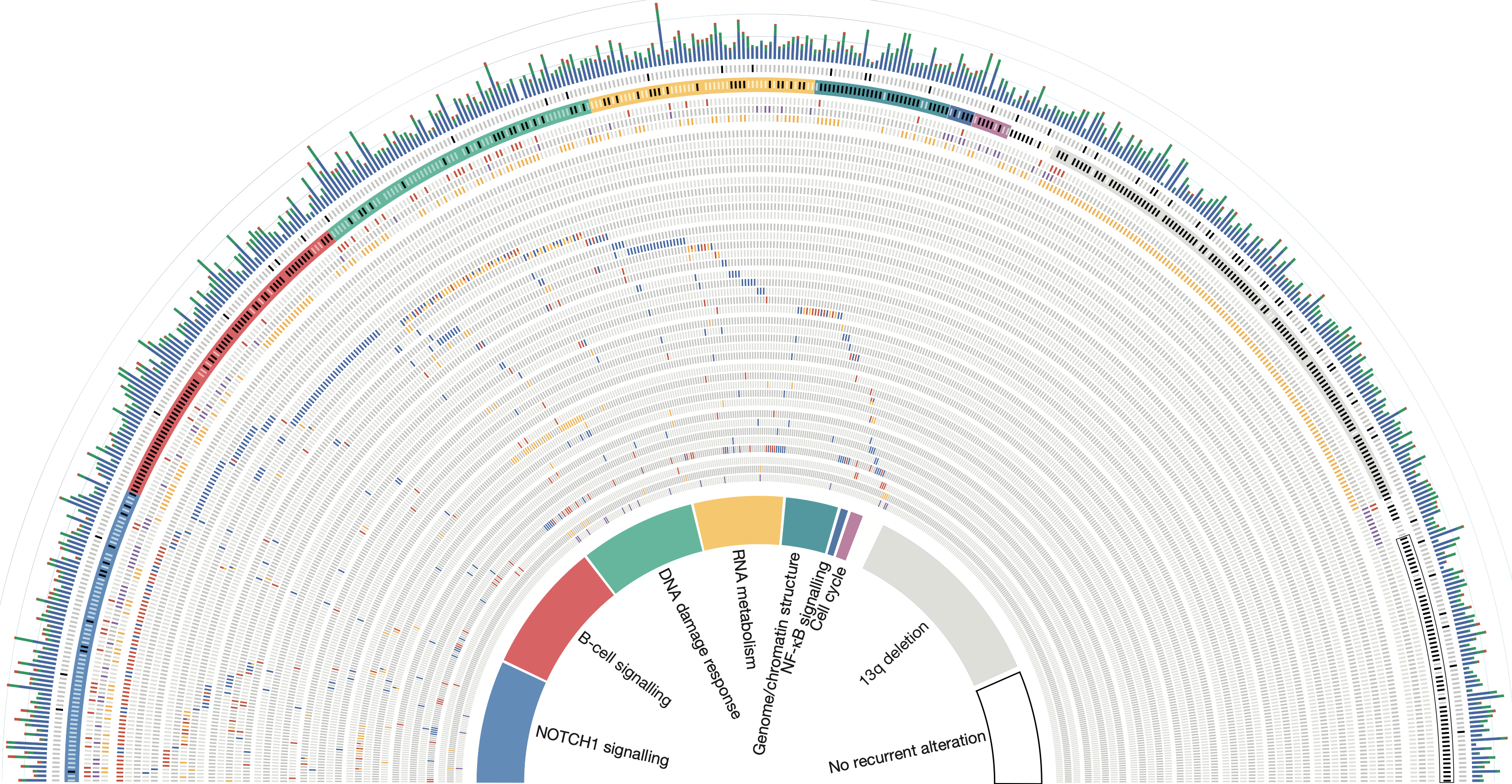
Our group has a distinguished trajectory in oncology, highlighted by our co-leadership in the Spanish contribution to the International Cancer Genome Consortium (ICGC), a landmark effort that revealed the whole-genome sequence of hundreds of Chronic Lymphocytic Leukemia (CLL) patients and identified recurrent mutations that now serve as key therapeutic targets. Building on this expertise, we integrate single-cell sequencing and preclinical models to decipher tumor evolution and microenvironment dynamics, while collaborating on national precision medicine initiatives (ISCIII) to advance genomic diagnostics for various lymphomas. We also maintain a dedicated research line on Clonal Hematopoiesis (CH), investigating it as a high-risk precursor for myeloid neoplasms; our work focuses on uncovering the specific biological and environmental factors that drive the expansion of these clones and their progression toward malignancy, aiming to define the mechanisms of early oncological development and provide essential insights for early intervention.
Aging and age-related diseases
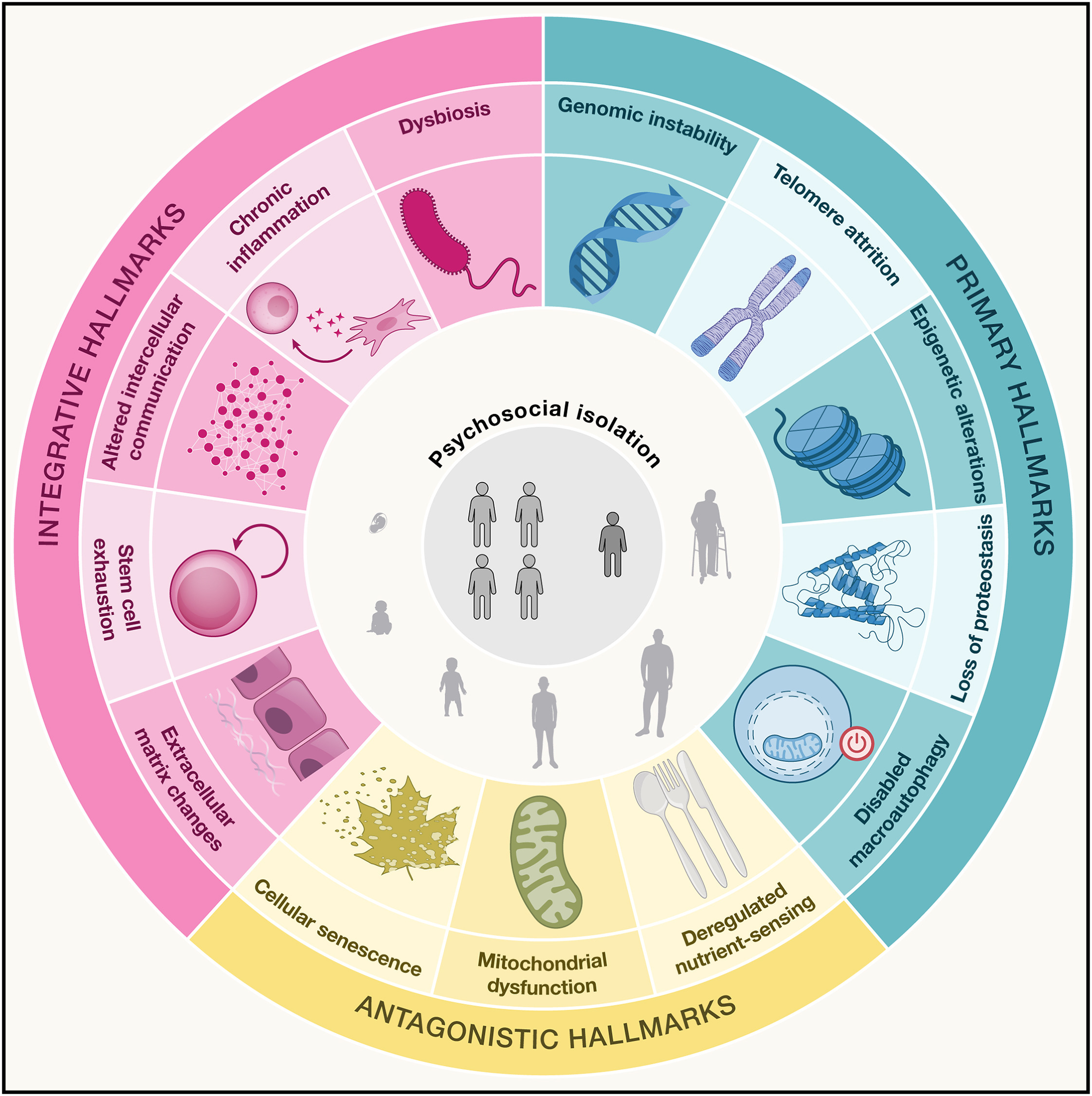
Building on our study of the molecular mechanisms of aging, we have developed pioneering murine models of accelerated aging, such as the Zmpste24−/− and LmnaG609G/G609G mice. These models have become essential tools for the international scientific community in exploring systemic alterations and evaluating advanced therapeutic strategies, ranging from pharmacological and metabolic interventions to in vivo gene editing. We are currently advancing this research by characterizing the transcriptomic and epigenomic alterations associated with both premature and physiological aging to uncover the regulatory landscapes of biological decline. Our work in aging biology is reflected in our contribution to the definition of the Hallmarks of Aging and Hallmarks of Health, establishing a definitive and integrative paradigm for the biological processes governing health, as well as normal and pathological aging.
Comparative genomics
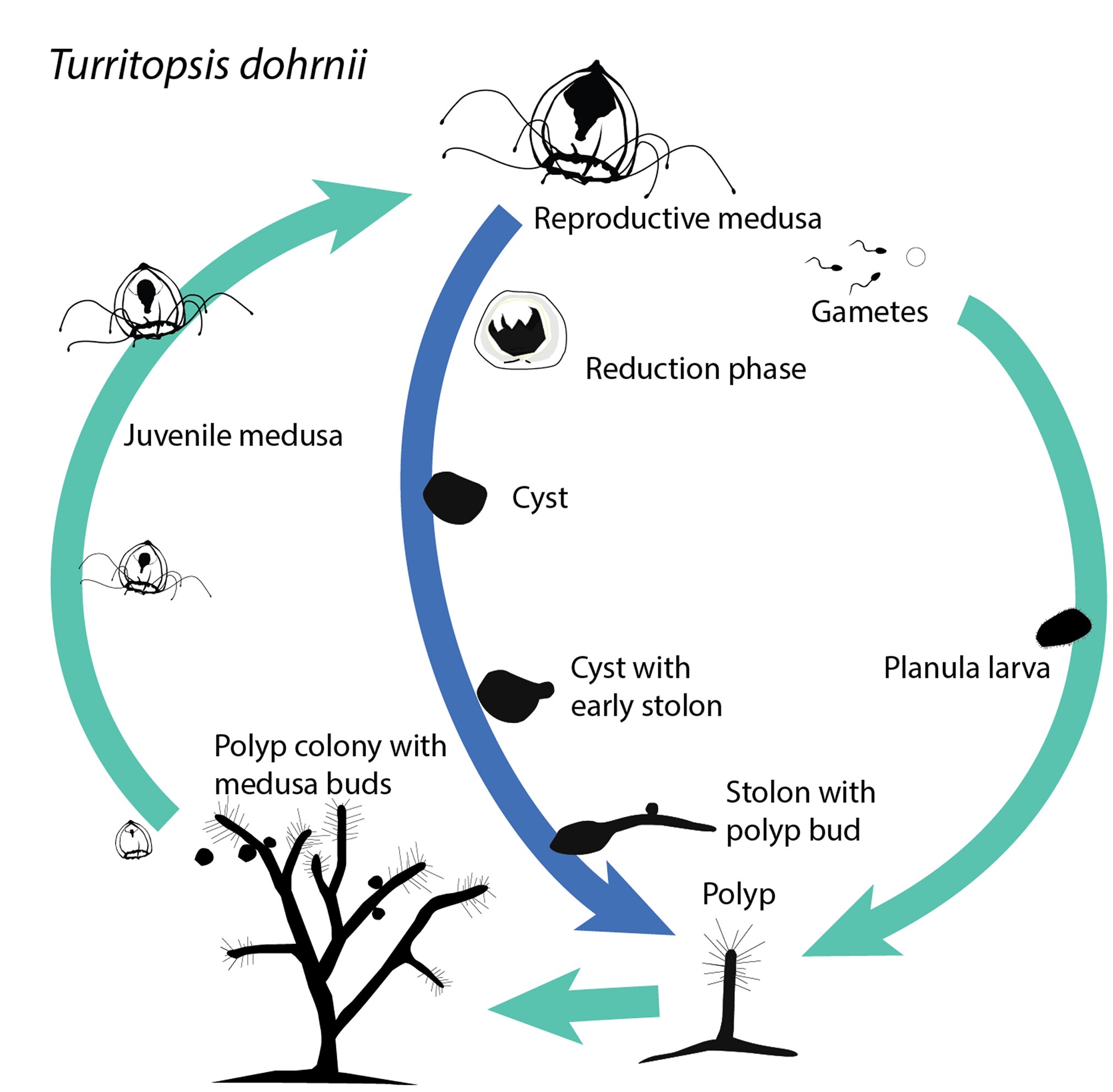
By comparing the genomes of species with divergent lifespans, our group aims to uncover the fundamental molecular mechanisms regulating aging, cancer and stress resistance. Our previous research into exceptionally long-lived or cancer-resistant species—including the humpback whale, giant tortoises, and the “immortal jellyfish” (Turritopsis dohrnii)—has identified critical genetic variants related to DNA repair, stem cell biology, and immune response. Building on these milestones, we are currently performing comparative genomic and transcriptional analyses of species with evolutionary adaptations for extreme longevity or healthspan, aiming to identify novel molecular targets for promoting healthy aging.
Autophagy & autosis
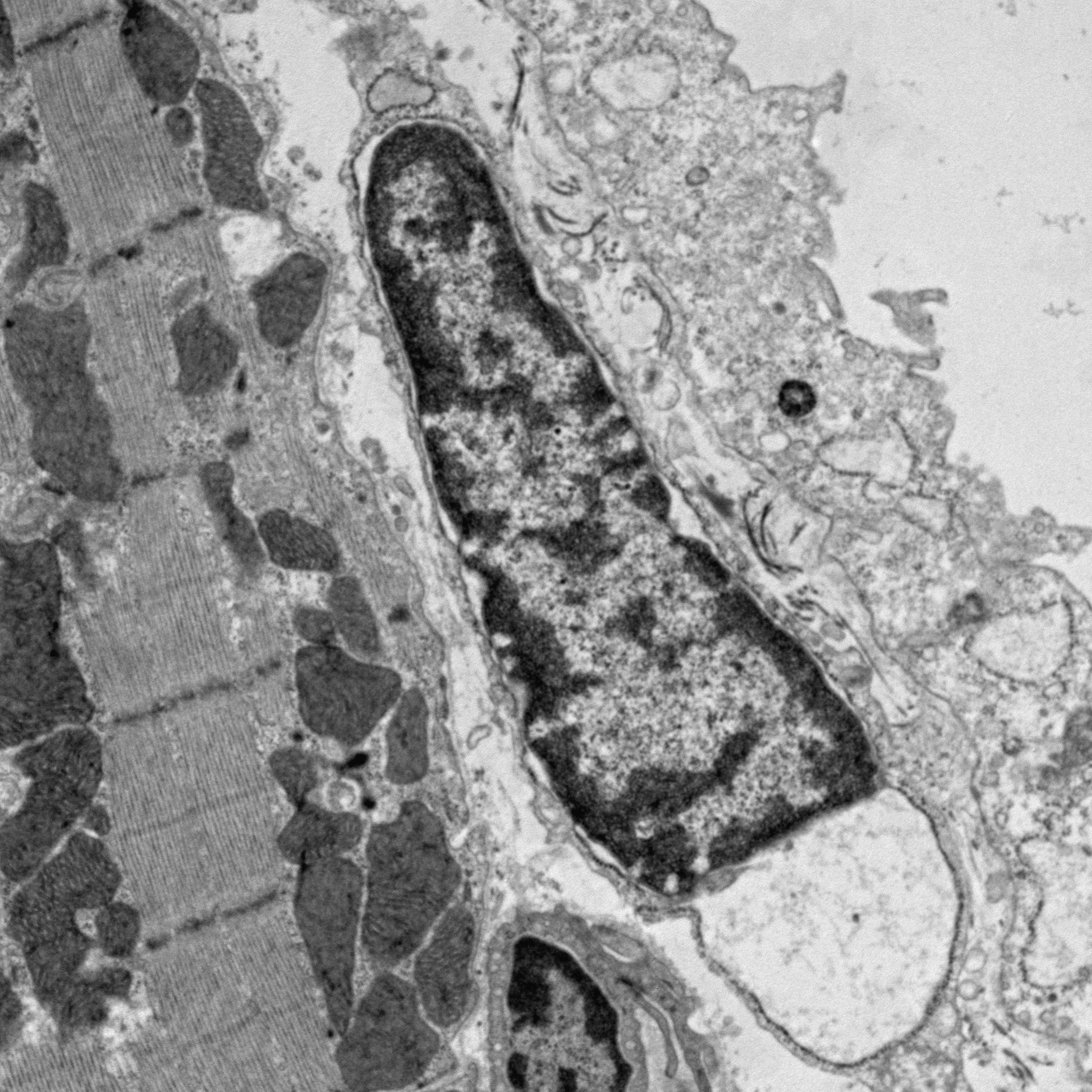
Through the AU·SIS project, we investigate the dual role of autophagy in tumor survival and characterize autosis,a unique, Na+,K+-ATPase-dependent cell death pathway. Our work focuses on identifying novel autophagic markers and defining the molecular regulation of autosis to translate these mechanistic insights into improved diagnostic and therapeutic strategies for oncology and other clinical pathologies.
Affiliations


Funding